Electrolytes or Isotonic Drink: What's the Difference
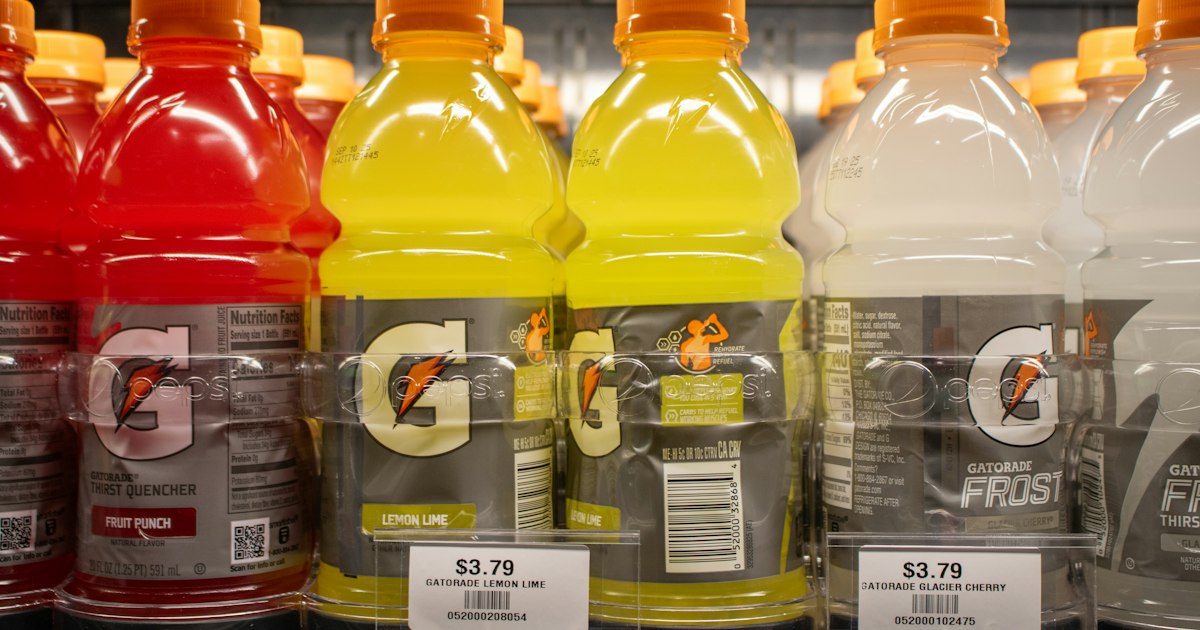
On sports nutrition shelves, "electrolytes" in tablets or powder stand next to "isotonic drinks" in bottles or sachets. Both products are associated with hydration, so they are often regarded as interchangeable. In reality these are different categories: an electrolyte supplement restores minerals lost with sweat, whereas an isotonic drink simultaneously supplies water, sodium and carbohydrates in a set concentration. The editorial team has examined how they differ in composition, the physiology of their action and their purpose.
What electrolytes are and what an isotonic drink is
In physiology, electrolytes are substances that, in an aqueous solution, dissociate into charged ions. For humans the key ones are sodium, potassium, chloride, magnesium and calcium, as well as bicarbonate. They maintain the volume of extracellular fluid, the membrane potential of nerve and muscle cells, muscle contraction and acid-base balance. In sports nutrition marketing, "electrolytes" are supplements that contain these minerals in the form of salts: tablets, effervescent tablets, capsules, powders and concentrated drops.
An isotonic drink is a ready-made beverage (or a powder for preparing it) whose concentration of dissolved particles is close to that of blood plasma. A classic sports drink contains water, carbohydrates (glucose, sucrose, maltodextrin), sodium, a little potassium, flavorings and acids. The aim of such a composition is to simultaneously replace fluid, supply energy to working muscles and stimulate the absorption and retention of water.
So the main difference is not the presence of minerals — they are in both products — but the presence of carbohydrates and the fact that an isotonic drink is a balanced, turnkey solution. An electrolyte supplement usually contains no calories or minimal calories; it is dissolved in an arbitrary volume of water or swallowed with water, so the final concentration depends on the user.
Between these poles there are intermediate products: hypotonic drinks with fewer carbohydrates, "electrolyte drinks" with flavor enhancers without sugar, and also medical oral rehydration solutions. It is precisely because of the variety of names that the buyer should look not at the category label but at the composition table.
Osmolality: why the word "isotonic" matters
Osmolality is the number of osmotically active particles per kilogram of solvent. For blood plasma it is approximately 285–295 mOsm/kg. A drink whose osmolality is close to this range is called isotonic; lower is hypotonic; higher is hypertonic. This parameter determines how quickly fluid leaves the stomach and is absorbed in the small intestine.
Hypertonic solutions (for example juices or carbonated drinks with 10–12% sugar) first "draw" water into the lumen of the intestine, which slows net hydration and can cause gastrointestinal discomfort while running. Hypotonic and isotonic solutions are absorbed faster. At the same time the presence of glucose and sodium speeds up the absorption of water thanks to the cotransporter SGLT1, which carries sodium and glucose together, and water moves osmotically after them.
It is precisely on this mechanism that the oral rehydration solutions recommended by the WHO for diarrhea are built: in the reduced-osmolarity formula they contain 75 mmol/L each of sodium and glucose at a total osmolarity of about 245 mOsm/L. Sports isotonic drinks use the same principle, but with a higher carbohydrate content for energy and a lower one — of sodium — for taste.
An electrolyte tablet dissolved in water usually gives a hypotonic solution, since there are few salts in it and no carbohydrates. For restoring fluid at rest this is acceptable, but the mechanism of glucose-sodium cotransport in such a drink is practically not engaged.

Composition: sodium, potassium, carbohydrates
Sodium is the main electrolyte of sweat and the principal ion of extracellular fluid. The concentration of sodium in sweat is highly individual: by the ACSM review, on average it is about 35 mmol/L with a range of roughly 10 to 70 mmol/L. That is, two athletes with the same sweating intensity may lose salt in amounts differing several times over.
Potassium is present in sweat at a much lower concentration (a few mmol/L), so its replacement during training is of secondary importance, although it is included in most products. Magnesium and calcium are also lost in sweat in small amounts; their presence in "electrolytes" is more often marketing than physiologically necessary for a short load.
Carbohydrates are the defining difference of an isotonic drink. The ACSM position on fluid replacement notes that sports drinks with approximately 6–8% carbohydrates and 20–30 mEq/L of sodium (about 460–690 mg/L) can support water-salt balance and performance during prolonged exercise. For comparison, a typical electrolyte tablet per 500 mL of water may provide from a few hundred to a thousand milligrams of sodium, but zero carbohydrates.
| Parameter | Electrolyte supplement | Isotonic drink |
|---|---|---|
| Form | tablets, capsules, powder, drops | ready-made drink or powder |
| Carbohydrates | absent or minimal | usually 6–8 g per 100 mL |
| Calorie content | close to zero | moderate |
| Sodium | wide range, often higher | moderate, limited by taste |
| Osmolality | depends on dilution, more often hypotonic | close to plasma |
| Main task | salt replacement | fluid + energy + salts |
The practical conclusion from the table: if salt replacement comes first while the need for energy is low, an electrolyte supplement is more logical; if it is important to fuel the muscles with carbohydrates at the same time, an isotonic drink does the job. More on the choice for specific situations — in the editorial team's companion article.
What science says about effectiveness
For loads lasting up to an hour of moderate intensity in cool conditions, plain water is enough for most people: sodium losses are still small, and glycogen stores are not depleted. The benefit of an isotonic drink here is weakly proven and, according to sports nutritionists, it manifests mainly in very intense training.
For prolonged loads (over 1–2 hours) carbohydrates during work steadily improve endurance. Jeukendrup in his review summarizes the guidelines: about 30–60 g of carbohydrates per hour for loads of 1–2.5 hours and up to 90 g per hour for longer work using a mixture of glucose and fructose. An isotonic drink is one of the most convenient ways to partly cover this need.
Sodium is important primarily for recovery after fluid loss. The classic study by Shirreffs and colleagues showed that after dehydration the retention of the fluid consumed increases with a higher sodium content in the drink, and the total volume drunk must exceed the loss of body weight. That is, water without salt is largely excreted in the urine.
The study by Mona and colleagues, who proposed a "beverage hydration index", showed that drinks with a higher electrolyte content (in particular an oral rehydration solution) were retained in the body better than water, whereas an ordinary sports drink had no significant advantage over water under resting conditions. This underscores: for hydration at rest, sodium is more important than carbohydrates.
During the load itself, neither electrolytes nor an isotonic drink return the lost salts to the body in full. The goal is to prevent excessive dehydration (the usual guideline is a loss of no more than ~2% of body weight) and at the same time not to overdo it with fluid.
Risks, limitations and typical mistakes
The most serious risk is associated not with supplements but with excessive drinking. Exercise-associated hyponatremia develops when a person drinks more fluid than they lose, and the level of sodium in the blood falls. The consensus on this topic emphasizes that the main cause is an excess of fluid; sports drinks contain too little sodium to prevent hyponatremia with excessive drinking. The condition can be life-threatening.
Isotonic drinks contain sugar. For people who train briefly and little, regular consumption of such drinks adds "liquid" calories and can work against a weight-loss goal; the effect of acids and sugar on tooth enamel should also be taken into account.
Electrolyte supplements with a large amount of sodium require caution in people with arterial hypertension and kidney and heart diseases. Preparations with a high potassium content are potentially dangerous in renal failure and with the use of some medications (ACE inhibitors, potassium-sparing diuretics).
- Do not regard "electrolytes" as a source of energy — they usually contain no carbohydrates.
- Do not drink "in reserve" beyond thirst and sweat losses.
- Do not make an isotonic drink more concentrated than indicated: a hypertonic solution is absorbed worse.
- Do not go by the product name alone — compare sodium in mg per serving and carbohydrates in g.
Editorial conclusions
An electrolyte supplement is primarily a source of salts without energy, whose final concentration depends on the dilution. An isotonic drink is a balanced solution of fluid, sodium and carbohydrates with an osmolality close to that of plasma.
For short workouts water is mostly enough. For prolonged and intense loads an isotonic drink gains the advantage thanks to carbohydrates, and with significant salt losses or in recovery after dehydration — products with a higher sodium content.
No product protects against hyponatremia if you drink significantly more than you lose. Go by thirst, the change in body weight before and after training, and the composition on the label.
How to choose between the two categories for your sport, the editorial team explains in the article "Electrolytes vs Isotonic Drink: What to Choose and for Whom". We also recommend pieces on carbohydrates during training and on magnesium for athletes.
References
- Sawka MN, Burke LM, Eichner ER, Maughan RJ, Montain SJ, Stachenfeld NS. American College of Sports Medicine position stand. Exercise and fluid replacement. Med Sci Sports Exerc. 2007;39(2):377–390.
- Thomas DT, Erdman KA, Burke LM. American College of Sports Medicine Joint Position Statement. Nutrition and athletic performance. Med Sci Sports Exerc. 2016;48(3):543–568.
- Jeukendrup A. A step towards personalized sports nutrition: carbohydrate intake during exercise. Sports Med. 2014;44 Suppl 1:S25–S33.
- Shirreffs SM, Taylor AJ, Leiper JB, Maughan RJ. Post-exercise rehydration in man: effects of volume consumed and drink sodium content. Med Sci Sports Exerc. 1996;28(10):1260–1271.
- Maughan RJ, Watson P, Cordery PA, et al. A randomized trial to assess the potential of different beverages to affect hydration status: development of a beverage hydration index. Am J Clin Nutr. 2016;103(3):717–723.
- Hew-Butler T, Rosner MH, Fowkes-Godek S, et al. Statement of the Third International Exercise-Associated Hyponatremia Consensus Development Conference, Carlsbad, California, 2015. Clin J Sport Med. 2015;25(4):303–320.
- Baker LB, Jeukendrup AE. Optimal composition of fluid-replacement beverages. Compr Physiol. 2014;4(2):575–620.
Andriy Melnyk
A strength-sports coach and author of programs for beginner and intermediate levels. Writes about training planning.